Taste. Chew. Release.
Emotions aren't problems to solve. They're information. The three-stage process transforms emotional chaos into inner strength. The page has a live tracker to practice it.
Use the Practice Tracker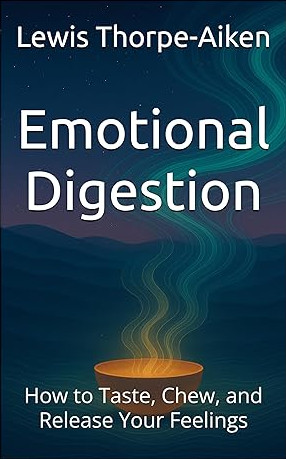
Signs of Emotional Indigestion
When emotions aren't properly processed, they create discomfort throughout your entire system. Like undigested food, they sit heavy, drain energy, and create a sense of being blocked from within.
Feelings pile up faster than you can process them. Every new emotion lands on top of the last, creating a constant state of being flooded or stretched thin.
You've shut down feeling altogether to avoid overwhelm. Life feels grey, distant, or like you're watching it through glass rather than living it.
Emotions burst out unexpectedly - anger that surprises you, tears that come from nowhere, or reactions that feel way bigger than the trigger.
Feelings get stuck and won't move. Old resentments, grief, or anger that sits heavy in your body, sapping vitality and colouring everything else.
Tiredness that no amount of sleep cures, caused by the energy drain of carrying unprocessed emotions through your days.
Difficulty connecting authentically because you're either shut down or spilling undigested emotions onto others without meaning to.
These aren't signs that emotions are bad. They are signals that emotions need better digestion.
The solution isn't to feel less, but to learn how to let feelings complete their natural journey through you.
The Three Stages of Emotional Digestion
Just as your body transforms food into energy through a clear process, your inner system can transform emotions into wisdom, strength, and clarity through three simple stages.
The moment you notice what's happening inside and allow the flavour of the feeling to register instead of pushing it aside. Like tasting food before swallowing, this awareness prevents emotional choking.
- Pause when feelings arise and name them simply
- Notice where emotions live in your body
- Ask "What is this feeling trying to tell me?"
- Allow both pleasant and difficult emotions to register fully
Giving the feeling movement and form so it begins to break down into manageable pieces. This might be speaking, writing, movement, or creativity, any expression that helps the emotion transform.
- Write in a journal or record voice notes
- Move your body: walk, stretch, or dance
- Talk with someone who can hold space
- Create art, music, or other expressive outlets
- Use breath, sound, or gentle crying to release
Once the emotion has been recognised and expressed, you allow it to leave, making room for what follows. This is not forced. It is a natural completion that happens when feelings have been properly digested.
- Take conscious breaths and allow sighing
- Stretch or gently move your body
- Spend time in nature or calm environments
- Notice what wisdom or strength remains behind
Digesting Different Emotions
Taste: Notice the heat, tension, or energy that comes with anger. Feel where it sits in your body: chest, jaw, fists.
Chew: Give anger movement through firm words spoken aloud, vigorous walking, or physical tasks. Write uncensored letters you'll never send. Let the fire express itself safely.
Release: After expression, anger often softens into clear knowledge about your boundaries or values. The heat transforms into steady strength.
Taste: Allow sadness its weight and slowness. Notice the heaviness in your chest or the way it moves through your body like a low tide.
Chew: Sadness responds to gentle expression: tears, soft music, quiet conversation, or writing. It needs patience rather than pressure.
Release: Properly digested sadness often leaves behind empathy, tenderness, and a deeper capacity for connection with yourself and others.
Taste: Fear moves quickly like electricity. Notice the racing heart, shallow breath, or the way it makes you want to freeze or flee.
Chew: Ground fear through naming what scares you, taking slow breaths, and making deliberate contact with the present moment. Movement helps discharge the energy.
Release: When fear completes its cycle, it often leaves heightened awareness and clarity about what truly matters to you.
Taste: Shame often wants to hide. Notice the urge to curl inward, avoid eye contact, or cover yourself. Feel where it contracts in your body.
Chew: Shame needs gentle, private expression first: writing, talking to trusted friends, or creative outlets. Light held steadily on shame helps it transform.
Release: Digested shame becomes humility, self-compassion, and the strength that comes from accepting your humanity rather than demanding perfection.
Taste: Grief is dense and layered, often coming in waves. Allow its depth without trying to rush or fix it.
Chew: Grief digests slowly through rituals: writing memories, lighting candles, sharing stories, returning to tears when they arrive. Each round of attention creates space for the next.
Release: Grief's gift is often a quiet strength and deeper appreciation for love, connection, and the preciousness of what we have.
Practice Emotional Digestion
Start tracking your emotional patterns in real-time. This tool helps you apply the three-stage process to your actual experiences and discover insights about your emotional landscape.
Over time, you may notice patterns emerging. Perhaps sadness tends to appear after a certain meeting, or joy rises when you spend time outdoors. By moving entries through the Taste → Chew → Release cycle, you can begin to see how emotions shift and eventually settle. The aim isn't to "fix" your feelings, but to recognise them, learn from them, and let them move through you.
Current Emotion Entry
Digestion Stage
Your Emotional Landscape
Colour Guide
Tools & Resources
Get the full emotional digestion system with detailed practices, real-world examples, and systematic approaches to transforming your relationship with feelings.
Read the BookStart with the Nine Bites methodology to create the foundation for healthy emotional processing.
Personal Growth PathLearn how emotional digestion enhances all relationships - from human connections to consciousness partnership with AI.
AI CollaborationQuestions about applying emotional digestion to your specific situation? Get in touch.
Contact LewisTransform Your Emotional Life
Ready to learn emotional digestion? Whether you're dealing with overwhelm, numbness, or explosive reactions, the path to emotional clarity is available.
lewis@consciousnesspartnership.comSupport the work
If the work's useful to you, you can kick a few quid in to help me keep doing it.
No donation too small. Every contribution helps keep the site free and the work ongoing.